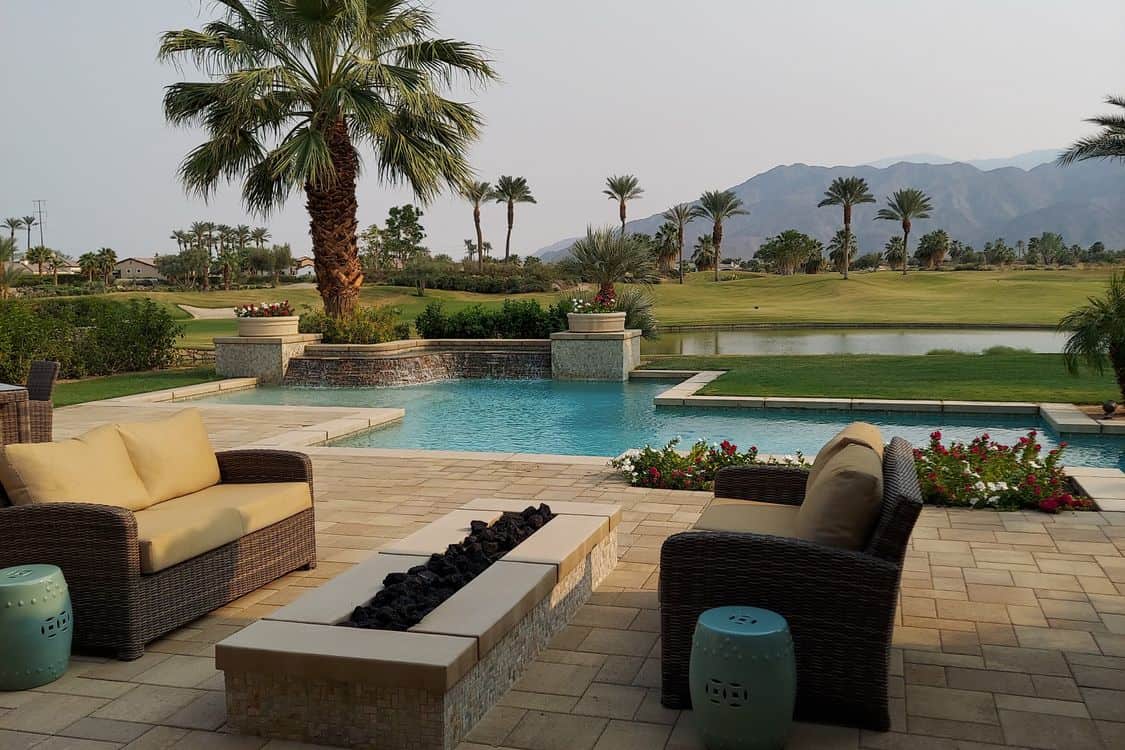
For years a backyard shade structure in Southern Nevada got filed under “someday.” You either had one or you squinted through the glare and waited for October. That way of thinking is aging badly, and the reason is sitting right there in the weather data.
The 2025 numbers matched what anyone who spent a summer here already felt on their skin. Las Vegas finished the year as the fifth-warmest on record. When a city posts a top-five warm year, a shade structure stops being a preference and starts being a plan.
So the weekend-project afterthought has quietly turned into a question about whether the house is actually livable from May through September. A patio cover isn’t competing with a new grill for the budget anymore. It’s competing with the air conditioner.
The year the heat stopped being background noise
One figure does most of the talking. National Weather Service data reported in early 2026 showed the year shattered 38 temperature records, and most of them came from warm overnight lows rather than blistering afternoon peaks.
That detail matters more than it sounds. High afternoon highs are the thing Vegas has always been famous for. Record-warm nights are the part that changes daily life, because the cooldown people used to count on after dark now shows up later and does less.
When the evening quits bringing relief, the backyard you bought the house for goes unused for a bigger slice of the year. A covered patio is one of the few fixes that hits both problems at once. It blocks direct sun during the day, and it holds a cooler pocket of air well into the night.
The valley still stacked up its usual triple-digit days, and the thermometer still pushed past 110 in the worst weeks. None of that is new. The new part is the slow creep in the baseline, and that creep is what turns an occasional need for shade into a standing one.
Why shade turned into an energy conversation
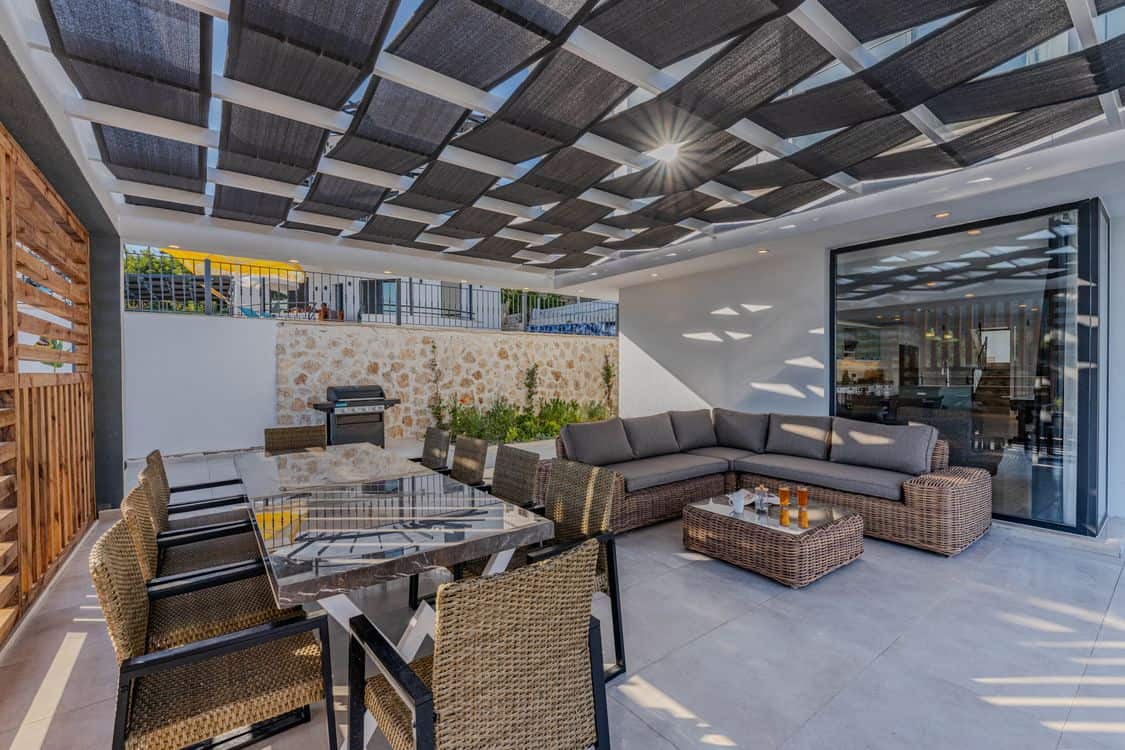
There’s a money argument hiding inside the comfort one. Every degree of unwanted heat landing on a west-facing wall or a sliding glass door is a degree your cooling system has to claw back. Shade catches that heat before it ever reaches the house.
A solid cover over a patio that sits against the living room pulls double duty. You get a usable outdoor room, and you cut the radiant load hitting the wall behind it. In a record-warm year, that second effect is not a rounding error on the power bill.
Plenty of people are running the math the other direction now. Instead of over-cooling a big interior to host friends, they move the whole thing outside into a shaded, fan-cooled space and let the thermostat drift up a couple degrees inside. The covered patio becomes the cheap room to sit in.
That only works if the outdoor space is genuinely protected, though. A flimsy umbrella changes nobody’s habits. A real cover, ideally an insulated one, does, because it makes the outdoor option reliable enough to build an evening around.
How Vegas backyards are getting rebuilt around the sun
The design response to a hotter baseline is pretty consistent across the valley. Seating gets pulled away from the western exposure. Light-colored hardscape that bounces heat instead of storing it wins out. Airflow beats enclosure.
Materials have gone the same direction. Aluminum cover systems have pulled ahead of wood on new installs, partly because they don’t warp or rot in the dry heat and partly because the finishes are built to shrug off UV fade. In a climate that punishes anything left outside, durability is its own kind of comfort.
Lattice and combination designs show up where people want filtered light instead of full shade. Solid panels win where the goal is an actual outdoor room. The call usually comes down to how many months of the year the space has to work, and in a top-five warm year, the answer keeps drifting toward all of them.
None of this means the desert has become unlivable. It means the tools people use to live in it comfortably are moving from temporary to permanent. The umbrella era is closing. Built shade is what replaces it, and when the warm years keep stacking up, the structure that makes a backyard usable stops being a luxury and starts being infrastructure.