On-site event activation brings a brand to life in front of an audience that is already primed to notice, and sometimes to react in unexpected ways. Clear purpose, smart logistics and a human touch convert fleeting attention into real interest and action that leads to measurable outcomes.
Planners who prepare with a mix of structure and quick thinking tend to handle surprises with calm and creativity, and often find novel fixes on the spot. Below are five tips that combine planning, people and playful design to help teams execute with confidence, and you can use them as a checklist or a starting point for your own experiments.
1. Plan With Purpose
Start by naming specific outcomes that you want to achieve and attach simple metrics that the team can follow through the event, thus allowing fast decisions when traffic changes. Goals might include lead capture counts, dwell time averages or social mentions, and having numbers gives the crew something tangible to chase that everyone understands.
Break the big goal into daily and hourly tasks, thus the action at any moment has a clear aim and a short checklist that can be ticked off, and it reduces cognitive load for people on the ground. A written plan that people can read quickly reduces friction and helps the team act fast when the unexpected arrives, and it becomes a common reference point under pressure.
Logistics deserve equal attention, from power and Wi Fi to delivery windows and storage spaces; those details trip up more activations than missing swag, and they are easy to miss in the rush. Map the footprint and mark service points, which keeps vendors and staff from blocking each other and preserves a clear guest path, and it speeds load in and load out.
Permits, insurance and contact lists should live in one place, easy to access when a problem pops up, and one person should hold overall responsibility, which reduces duplicated calls and confusion. When each task has an owner and a plan, the whole event feels less like a scramble and more like a well tuned machine, and vendors align faster too.
2. Engage Staff And Partners
People make or break activation; friendly, well briefed staff turn curious passersby into lasting connections, and their tone sets the whole mood for interactions. Hold a short, lively briefing that covers goals, scripts for common questions and simple escalation steps when something needs higher attention, keeping it upbeat and under twenty minutes.
Practice key moments, allowing the team to act without reading from a manual, and let frontline staff share small ideas that could improve flow, and a quick role play reveals gaps fast. Treat partners and vendors like part of the crew, not just contractors, and give them the context that helps them act with brand intent, and they will turn up ready.
Empower people to make small decisions on the spot, such as offering a discount or swapping a prop, and let judgment be guided by a few clear boundaries, which reduces delays and keeps guests engaged. A cue card or short checklist in every radio bag keeps actions aligned when things get busy and noisy, and it also helps seasonal staff find their footing.
Recognize effort as the day progresses; a quick word of thanks or a snack can change morale and performance in meaningful ways. Good teams read the room and adapt, and training that builds confidence pays dividends when the crowd grows or a plan shifts, making learning on the fly an asset.
3. Design A Memorable Experience
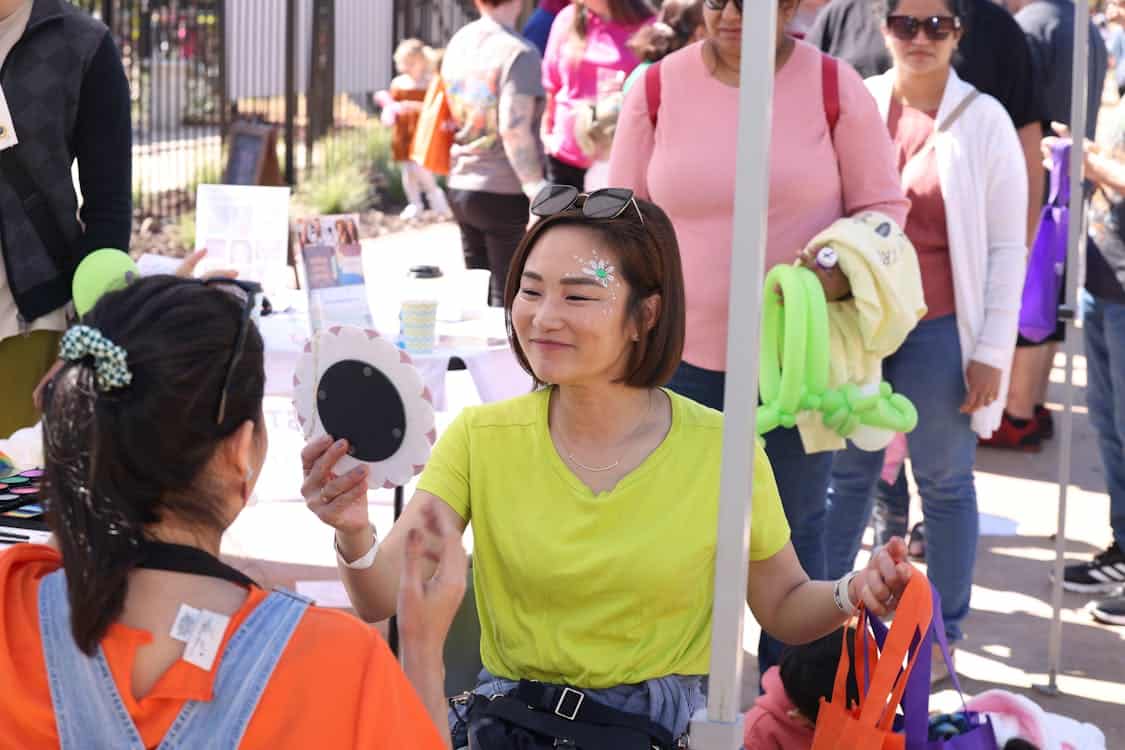
Think about the story you want guests to tell after they walk away and build moments that are easy to recount, that link to a feeling or a short narrative. Layer sensory elements like sound, touch and visual cues, allowing the activation to pull attention without overwhelming senses, and pick a single theme to weave through them.
Adding memorable promotional items into this mix can create lasting impressions, encouraging guests to take home something they’ll cherish. Interactive elements that invite participation lift interest far more effectively than passive displays, and a small surprise can make someone smile and stay a bit longer, and memory is sticky when emotion is involved.
Keep the brand message clear and repeat it in short, varied ways, helping people piece it together organically rather than feeling sold to, and let every touch repeat one key promise.
Use simple scripts that prompt conversation and allow staff to connect personal stories back to the product or cause in natural ways, avoiding robotic lines and keeping tone human. Props and tech should be rugged and quick to reset; nothing kills momentum like a broken sample or a frozen screen, and include a backup plan for tech failures.
Offer a clear path from curiosity to action, for example signing up, sampling or sharing a photo, and remove steps that feel like hurdles, making the next move too easy to pass up. When guests can complete an action with minimal effort, conversion climbs and the activation has served its purpose with taste, and a neat finish matters more than a flashy misstep.
4. Use Clear Signage And Flow
A visitor should know where to go as soon as they arrive; signs that answer the most basic questions cut down on confusion and stray traffic, even before a staff member speaks. Large type, contrasting colors and icons work well when people move quickly and have short attention windows, and test under low light.
Position staff at key nodes where the path forks, and let them guide people to the next step rather than letting curiosity create bottlenecks, and a human nudge keeps things moving. Pay attention to sight lines and entry points when laying out queues, seating and demo stations, which prevents backtracking and blocking by visitors, and walk it at human pace to see blind spots.
Lighting and floor markings subtly steer movement and can highlight focal points without shouting at guests, and be mindful of glare. Staff and signage should share a consistent voice and visual style, making the place feel cohesive and trustworthy, and use a single font family and clear logo usage rules.
Allow space for people to pause and watch without stopping the flow for others, and create clear exits that encourage onward movement, with even small benches or standing zones working well. Small adjustments to placement often yield big improvements, and a quick walk through before doors open will expose hidden pinch points, so fix the worst pinch point first.
5. Measure And Refine On The Fly
Real time data gives teams permission to change tactics when patterns differ from expectations, and quick intel beats slow reports, and set a small set of thresholds that trigger a change. Track simple indicators such as sign ups per hour, average dwell at a station and the number of repeat visitors to spot trends, keeping the dashboard simple and visible.
Collect verbal feedback from staff who face guests, and combine it with numbers to get a fuller picture of what works, and verbal notes often reveal context that raw numbers hide. A small test and a rapid tweak often improves results more than a long meeting about theory, trying one change at a time and watching the effect.
Set up a feedback loop where a team member shares observations every hour and another person decides whether to change layout, staffing or offer, and make roles clear for who will act on the intel. Document changes and their outcomes, allowing the same quick fix to be applied next time without guesswork, and a short photo log helps.
After the event, compile what data tells you and what the crew felt, arranging key learnings into short action items for the next activation, keeping the list tight and field friendly. Good measurement is less about perfect numbers and more about usable signals that guide repeatable improvements, treating metrics as conversation starters rather than gospel.