Acne scars can linger long after breakouts have cleared, changing how the skin looks and how a person feels. Many treatments promise big results, yet a handful actually deliver consistent improvement for most people.
The right path often blends science, patience and a bit of trial and error with a trained skin specialist. Below are five treatments that have solid track records and clear reasons why they work for a broad range of skin types.
1. Topical Retinoids
Topical retinoids are vitamin A derivatives that speed cell turnover and promote collagen production in the upper layers of the skin. Regular use can soften shallow scars and even out skin tone by moving fresh cells to the surface more quickly than skin would do on its own.
These agents come in different strengths and formulas and a gradual build up can reduce irritation so the treatment stays tolerable and effective. Many people see steady change after a few months while some improvement continues with longer use.
A common pathway for scarring involves clogged pores and inflammation that alter normal repair mechanisms, and retinoids help steer repair toward healthier outcomes.
For deeper pitted scars, retinoids alone may not erase the defect but they make adjunctive procedures work better by preparing the skin and strengthening the dermal layer.
Side effects can include redness and flaking early on, so a measured routine with sunscreen is a must when using these products. A skin clinician can recommend the right concentration and how often to apply it to balance benefits and comfort.
2. Microneedling
Microneedling uses tiny needles to create controlled microinjury, which signals the skin to repair itself and lay down new collagen and elastin. The treatment can be tailored in depth and frequency to match scar severity and skin sensitivity, so most people can get a version that fits them.
Results build up over a series of sessions because collagen remodeling is a slow process, yet many notice visible smoothing and softening within a few months. When paired with topical serums or platelets from the patient, the regenerative response can be amplified without adding heavy downtime.
The appeal of microneedling is that it treats a variety of scar types and skin tones with a relatively low risk of pigment change when done properly. Patient comfort and infection control matter, so choosing a trained provider who uses sterile technique improves outcomes and lowers complications.
Some redness and pinpoint bleeding right after treatment are common and fade over days while the repair process continues beneath the surface. For many people the skin ends up looking fresher and firmer as pits lift and texture evens out.
3. Chemical Peels
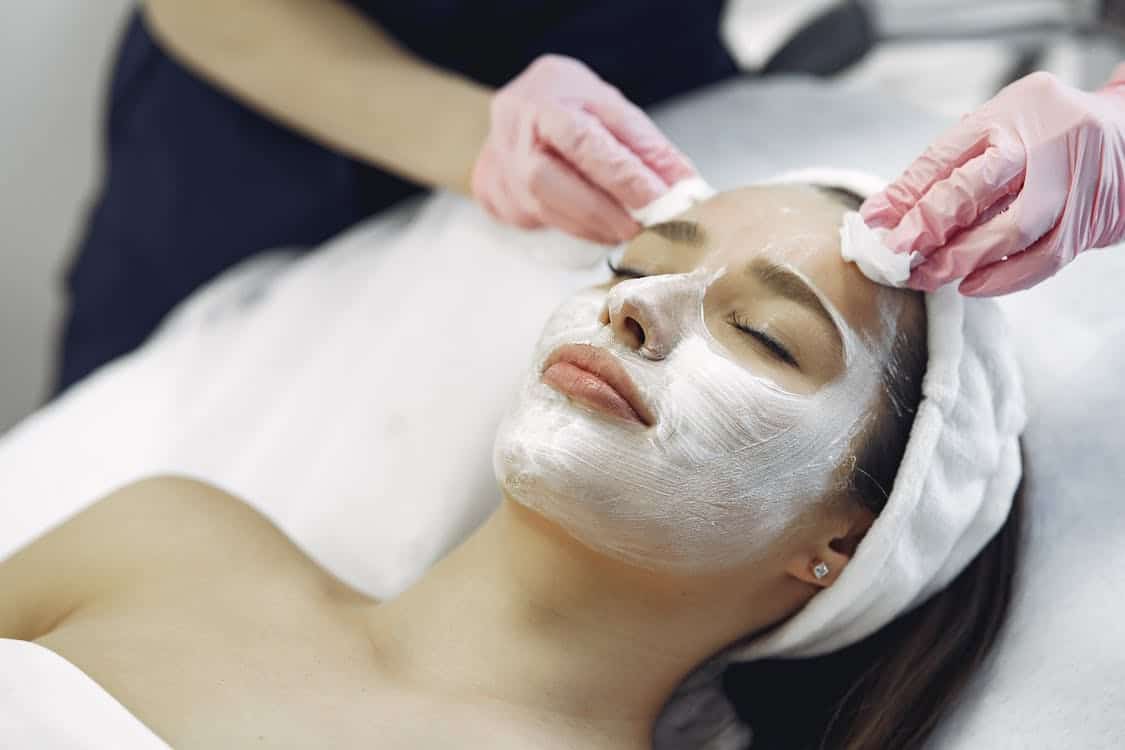
Chemical peels work by removing damaged outer skin layers and encouraging renewal from below, with different acids used to match scar depth and skin sensitivity. Superficial peels can brighten and smooth fine textural scars while medium strength peels reach deeper to remodel collagen and improve more pronounced depressions.
Peels are practical because they can be repeated at intervals to build gradual, sustained improvement while giving predictable recovery windows. A clinician will choose the peel type based on skin tone to lower the chance of discoloration after healing.
Recovery varies by peel strength and ranges from a few days of flaking to a week or more of redness and crusting for stronger treatments. The most effective peels for scarring are applied in a controlled environment with proper pre care and after care to avoid complications like lingering pigment changes.
Chemical peels often pair well with other procedures because they smooth the surface while other modalities restore volume or deeper structure. Over a course of sessions many people see appreciable reduction in scar depth and a smoother overall appearance.
4. Fractional Laser Resurfacing
Fractional laser resurfacing targets columns of skin to stimulate deep collagen repair while leaving surrounding tissue intact to speed healing. The fractional approach lowers risk and downtime compared to older full surface lasers while still offering substantial remodeling for indented scars and textural damage.
Sessions are spaced out to allow collagen to form and mature, so improvement unfolds over months and sometimes continues for a year as new collagen tightens and lifts. Pain control and proper post procedure skin care are key to a smoother recovery and better final results.
This technology can be customized by changing energy, density and pass patterns to fit the scar type and skin color of the patient, making it widely applicable across a variety of cases. Temporary redness and swelling are typical, and in darker skin tones there is a need for careful planning to prevent pigment shifts.
Many clinics offering acne scar treatment in Brisbane include fractional laser resurfacing as part of a staged plan for moderate to severe textural concerns. When done by an experienced provider it can significantly improve both the depth and the surface irregularity of scars that have been stubborn for years.
5. Subcision and Fillers
Subcision is a minor procedure that severs the fibrous bands tethering the skin down inside a depressed scar so the surface can spring back and lift. It often pairs naturally with soft tissue fillers which add immediate lift while the body lays down collagen in the space created by subcision.
The two treatments work together because subcision frees trapped tissue and fillers support the skin while new collagen forms over the coming months. Results can be striking for rolling scars and other tethered defects because the approach treats both the mechanical and the volume components of the problem.
Recovery after subcision is usually mild swelling and bruising that resolves in days to a couple of weeks and the filler component can be chosen to match the desired longevity. Some fillers are gradually absorbed while others last longer, and the choice shapes how often touch ups are needed to maintain the lift.
Skilled technique matters because accurate placement delivers natural looking correction without over filling or contour oddities. For many people the combined approach is pragmatic and fast acting, giving a visible lift that improves with time as tissue repairs itself.