South African minimum wage sits at $278 per month, yet ticket prices for Bafana Bafana’s opening match at the 2026 World Cup range from $1,020 to $2,355. That’s not a typo, and it’s not an outlier.
For fans across the developing world, the mathematics of international sports fandom have become brutal: watching your national team play now costs more than most people earn in months.
The Geographic Lottery of World Cup Economics
The 2026 FIFA World Cup, spread across the United States, Mexico, and Canada, has created what analysts call the most expensive tournament in history for traveling supporters. But the burden isn’t distributed equally. French fans face an average total cost of just $1,274 for all three group stage matches, with fixtures conveniently located on the US East Coast. South African fans, meanwhile, are looking at $3,727 on average – nearly three times as much.
The disparity comes down to geography and purchasing power. South Africa’s opening match against Mexico takes place at Estadio Azteca in Mexico City on June 11. One-way flights from Johannesburg start around $1,700. Round-trip, you’re already at $3,400 before you’ve bought a ticket, booked a hotel, or eaten a meal. For context, that represents more than twelve months of minimum wage earnings.
When Tickets Cost More Than Your Annual Income
The ticket pricing structure itself creates insurmountable barriers. Category 1 seats for the Mexico vs. South Africa opener – the best views in the stadium – reach $2,355. That’s 8.5 months of minimum wage work for a South African supporter. Even Category 4 tickets, the most affordable tier FIFA offers, still cost more than three months’ salary.
The pattern repeats across African nations. Ghanaian fans, earning a minimum wage of just $45.29 per month, would need to work over three months to afford even the cheapest ticket. Moroccan supporters, despite their team’s historic semi-final run in 2022, face prices exceeding two months’ earnings for a single match. Ivorian fans must sacrifice several months of income just to walk through the gates.
The Hidden Costs Multiply
But football attendance costs for some fans extend far beyond the ticket price. Accommodation in host cities has been heavily inflated, with budget options running $100 to $300 per night and mid-tier hotels commanding $300 to $600. Multiply that by even a modest three-night stay, and you’re adding another $900 to $1,800 to the total.
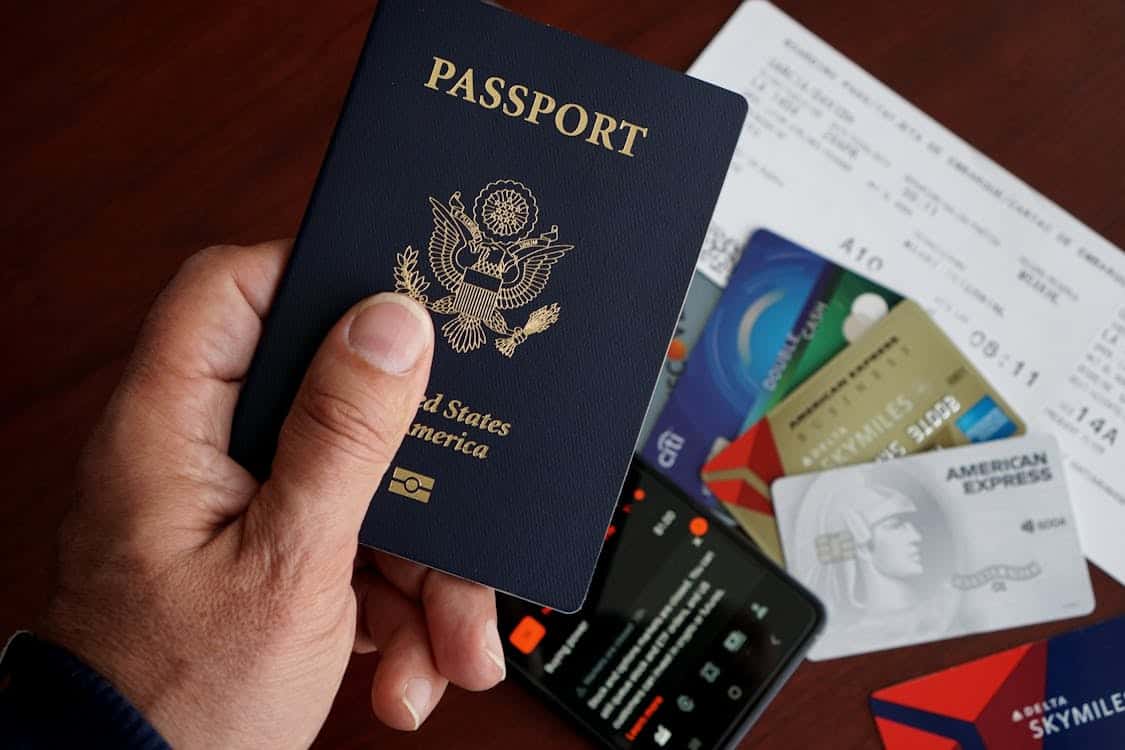
Visa requirements create another financial hurdle. US visitor visas cost $185 – nearly an entire month’s minimum wage for a South African worker. Mexican visas add another $47. These aren’t optional expenses; they’re mandatory gatekeeping fees that price out supporters before they even consider airfare.
Food and local transportation compound the problem. Daily food costs easily reach $50 to $100 if you’re eating regularly. Ground transportation between airports and stadiums, particularly in sprawling American cities, can add hundreds more. The one reprieve: Atlanta’s MARTA rail system plans to maintain its standard $2.50 one-way fare, offering some relief for fans attending South Africa’s match against Czechia on June 18.
The Math Doesn’t Add Up for Working-Class Fans
For South African fans determined to attend even one match, realistic budgets start at $5,000 and climb from there. That figure assumes budget accommodation, economy flights with connections, cheap food, and the most affordable ticket category. Attending all three group stage matches? The total approaches $10,000 – over three years of minimum wage earnings.
Compare that to the experience of French supporters. With all three fixtures on the US East Coast, average round-trip flights cost just $1,433. Entry costs run only $74 thanks to the ESTA visa waiver program. A French fan can follow their team through the entire group stage for less than what a single South African fan spends just getting to Mexico City.
When FIFA’s “Accessibility” Means Nothing
FIFA’s official position emphasizes tournament accessibility and the democratic nature of football as a global sport. Category 4 tickets were supposedly introduced to ensure affordable options. But “affordable” is a relative term that collapses when confronted with actual wage data. A $140 ticket – FIFA’s idea of budget-friendly – still represents more than two weeks of full-time work at Ghana’s minimum wage.
The tournament’s geographic spread was sold as bringing the World Cup to more fans across North America. In practice, it’s created a logistical nightmare for traveling supporters, particularly from developing nations. South Africa’s group stage alone requires flights to three different cities across two countries. Each journey means new flights, new hotels, new ground transportation costs.
The Inequality Built Into Modern Football
Manchester City manager Pep Guardiola called World Cup tickets “so expensive,” adding that “football is for the fans.” But the pricing structure suggests otherwise. Premium experiences – hospitality packages with gourmet food, VIP lounges, pitchside views – are readily available for those who can afford them. For working-class supporters from developing nations, even basic attendance has become aspirational.
The economic model of major international tournaments has shifted decisively toward wealthy spectators. Corporate sponsors, affluent tourists, and fans from high-income nations can absorb costs that represent months or years of earnings for supporters from poorer countries. The result is stadiums filled with people who can afford to be there, not necessarily the most passionate fans.
The Fans Who Save for Years
Yet despite the economics, some supporters will find a way. They’ll save for years, take on debt, make sacrifices that seem irrational from a purely financial perspective. The emotional calculus of sports fandom doesn’t run on spreadsheets. Watching your national team compete at a World Cup is a once-in-a-generation – sometimes once-in-a-lifetime – opportunity.
For South African fans, this tournament carries particular weight. It’s Bafana Bafana’s first World Cup appearance since 2010, when they hosted the tournament at home. The 16-year gap makes 2026 feel unmissable for supporters who’ve waited so long. That urgency, that sense of now-or-never, is exactly what enables the pricing structure to function despite its brutality.
The trade-offs are stark. Families will forgo other major purchases. Savings accumulated for emergencies or education will be redirected toward flights and tickets. Some fans will go into debt, accepting the financial consequences as the price of passion.
What Gets Lost
The human element of World Cup tournaments – the sea of national colors in the stands, the competing chants, the cultural exchange among supporters – relies on fans actually being able to afford attendance. When economic barriers filter out working-class supporters from developing nations, what remains is a sanitized, corporatized version of international football.
The atmosphere at South Africa’s matches will inevitably suffer when the vast majority of South African fans are priced out entirely. The stands will fill with neutral observers, American soccer tourists, and the small fraction of supporters wealthy enough to afford the journey. It’s still a World Cup match, technically. But it’s not the same thing.
For the 2026 tournament, the economics have created a two-tier system: fans who can attend, and fans who must watch from home. Geography, currency exchange rates, and wage disparities determine which category you fall into far more than passion, knowledge, or dedication to your team. That’s the reality of global football in 2026 – the beautiful game, accessible only to those who can afford the price of admission.