Cheap plumbing work can look like a smart move when a drip wakes you up at night or the bathtub will not drain. A low price and a brief repair can get water flowing again fast and put the immediate worry to bed.
Yet what seems small at first often hides weak parts, shaky fitting or a missed root problem that will demand more attention later. Homeowners who opt for the cheapest path too often find they have paid more in the aggregate than they would have for a thorough fix.
Cheap Parts Wear Faster
Cheap fittings and off brand parts most often lack the tolerance and finish of items made to a higher standard, which means threads strip and seals lose their suppleness sooner. Corrosion can take hold in hidden places and small metal shards can score pipe walls so the damage does not show up until pressure or temperature change and leaks begin.
A homeowner may cheer at a quick replacement only to return months later when the same joint fails again, leaving a setback that creeps into other systems. Over time that repeated wear trims expected service life of connected appliances and forces more extensive replacements than a one time quality part would have required.
Improper Installation Causes Hidden Damage
A rushed job can leave pipes stressed at odd angles and fittings either under tightened or overtightened, while supports are left out where they matter most, creating invisible strain. That invisible strain often shows itself as hairline cracks, a sudden noisy flow, or a burst that seems to come from nowhere when the system is pushed.
The person who performed the repair may insist the part was fine yet the manner of the fitment created the real fault and the blame game begins. When work is outside accepted practice warranties may not apply and a later full repair becomes more complex and more costly to complete.
Short Term Savings Lead To Long Term Costs
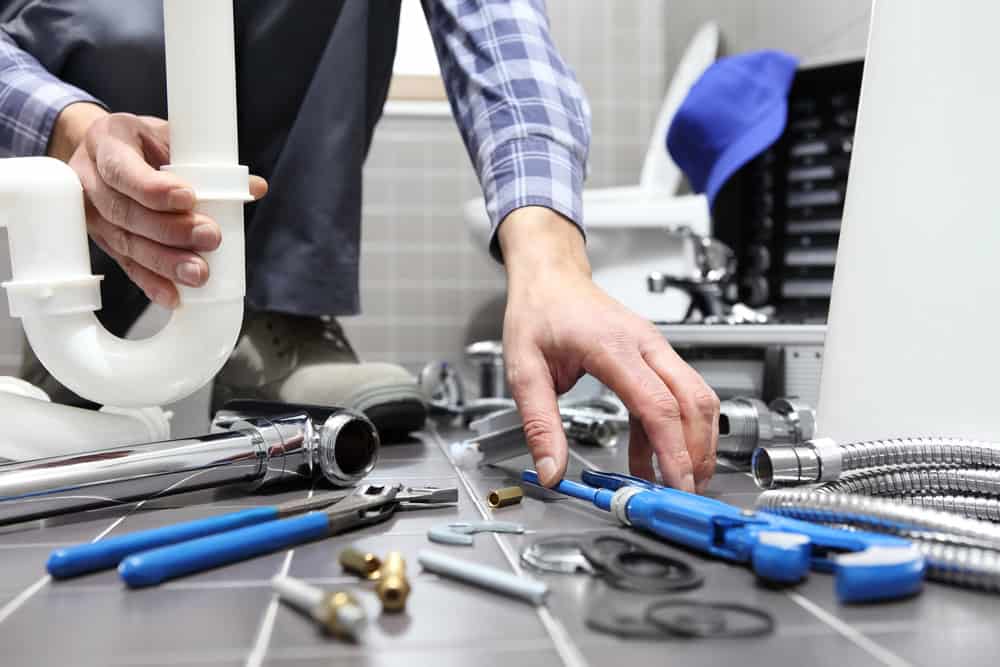
Opting for the lowest price can feel smart when a stopgap fix restores service fast and the immediate panic eases, but repeating small jobs adds up in a wallet draining way. Each revisit brings fresh labor charges, the inconvenience of waiting again for a technician, and the wear incurred from the handling of parts and fittings during multiple sessions.
Homeowners chasing quick fixes often find they are rewarding temporary patches rather than addressing the root cause, which sets the stage for a long string of calls and small invoices. When the total cost of parts, labor and lost time is added, a single carefully executed repair would often have been the cheaper route.
Water Damage And Mold Risk
A minor leak tucked behind a cabinet or inside a wall feeds wood framing, drywall and insulation and creates an ideal environment for mold to take hold and multiply. Mold growth can spread fast and it carries health concerns for sensitive occupants, a persistent musty smell and a cleanup that becomes expensive once materials must be removed and replaced.
Temporary measures such as tape, sealants that are not rated for plumbing or a band aid of silicon can hide the real leak while moisture migrates into structural materials. By the time visible staining appears the remediation cost for drying, removing ruined materials and treating mold often dwarfs the price that a proper repair would have charged.
Code Violations And Insurance Problems
An amateur or hurried repair can miss code requirements for venting, backflow protection and correct joint types, which are not mere red tape but safeguards against contamination and failures. If work fails inspection or an inspector flags non compliant elements, insurers can reduce payouts for water related damage or decline a claim if the job was not done by a licensed professional.
Policy language commonly ties coverage to compliant installation and licensed workmanship in many scenarios, so a cheap fix today can lead to a denied check when damage later requires a claim. That tangled path from corner cutting to claim dispute can add legal and restoration costs and extend the time the household lives with disruption.
Repeated Repairs Disrupt Life And Add Cost
Plumbing problems arrive at the worst moments and every repair interrupts routines, forcing changes to cooking, laundry and personal hygiene that are often glossed over in cost calculations. Time spent waiting for a technician or doing do it yourself attempts is a real burden that eats hours from evenings and weekends and creates stress for occupants.
People who chase the cheapest quick fix often find they are repeatedly chasing the same problem and the pattern becomes a drain on patience as well as money. When the tally at the end of a run of short fixes is made, the total cost in lost time and repeated payments frequently exceeds what a single thorough job would have required.
Choosing Quality Over Quick Fixes
Look for certified plumbing contractors who provide clear estimates, spare parts warranties and references that show steady work completed in similar homes, because a transparent offer reduces surprises down the line and establishes the standard for the job.
A trusted pro should explain the failing component, present options with pros and cons and be willing to show the location and reason for a recommendation so you can judge tradeoffs in plain terms.
Paying a bit more for quality parts and time on the job acts like an investment that yields fewer callbacks and less downtime for daily life, which is worth thinking about when bids are close in price.
If budget is tight ask about phased work or targeted upgrades that focus on eliminating the root of the leak rather than hiding signs and leaving the underlying failure to return.