Choosing the right air conditioner for your home can feel like a big decision, given the many models, specs, and trade-offs on offer. A smart pick keeps rooms comfy, trims power bills, and spares you noise or fuss down the line.
This article breaks the topic into clear steps that follow how many people actually think when they shop. It also highlights practical tips to help you balance performance, efficiency, and cost so you can make a confident, informed choice.
Assess Your Cooling Needs
Start by mapping the spaces that need cooling: square footage, ceiling height, sunlight, and how many people will use a room. Rooms with lots of sun or kitchen heat need more cooling capacity than shaded bedrooms, so mark those on a sketch.
Think about daily patterns too—are evenings when everyone gathers, or is the home quiet most afternoons? This grounded view helps match a unit’s output to real-life use rather than blind specs.
Choose The Right Type Of System
There are window units, portable units, split systems, ducted central air, and ductless mini-splits, each with pros and cons depending on layout and goals. Window and portable models cost less up front and fix one room quickly, while central systems cool whole houses but require ducts and more installation work.
Mini-splits offer room-by-room control with high efficiency and fewer ducts, which can be a neat compromise for add-ons or older homes. Match form to function: pick a style that fits walls, windows, and your tolerance for installation projects.
Calculate Cooling Capacity With BTU Estimates
Cooling power is measured in BTUs per hour, and buying a unit with the wrong BTU rating is where many people go wrong. Too small and the unit runs non-stop trying to cool; too large and it cycles on and off, which raises humidity and wastes energy.
Use room area, ceiling height, and number of occupants to estimate needed BTUs, then round up a bit for sunlit rooms or heat-generating appliances. Local dealers and online calculators offer quick n-grams like “BTU per square foot” to help convert room size into a practical number.
Check Efficiency Ratings And Seasonal Performance
Energy efficiency labels like SEER and EER tell you how much cooling you get per watt of electricity; higher numbers yield lower running costs over the long haul. Efficiency matters when you expect regular heavy use, since a more efficient unit can pay for itself through lower bills over several years.
Look beyond a single number: features such as variable-speed compressors and inverter tech smooth output and cut peak draws. Pay attention to both steady-state ratings and seasonal performance so the unit behaves sensibly across months.
Factor Installation Needs And Ductwork
Installation complexity ranges from pop-in window mounts to months-long duct jobs, and labor can swing the total price far from the sticker. Homes with existing ducts may favor a central replacement or a heat-pump swap, while tight older houses often benefit from ductless splits to avoid invasive work.
Placement matters: an indoor unit tucked behind furniture or a noisy outdoor compressor by a bedroom window will bite you later. Plan the install path early—measure, check clearance, and ask installers about routing refrigerant lines and condensate drains.
Compare Noise, Controls, And Smart Features
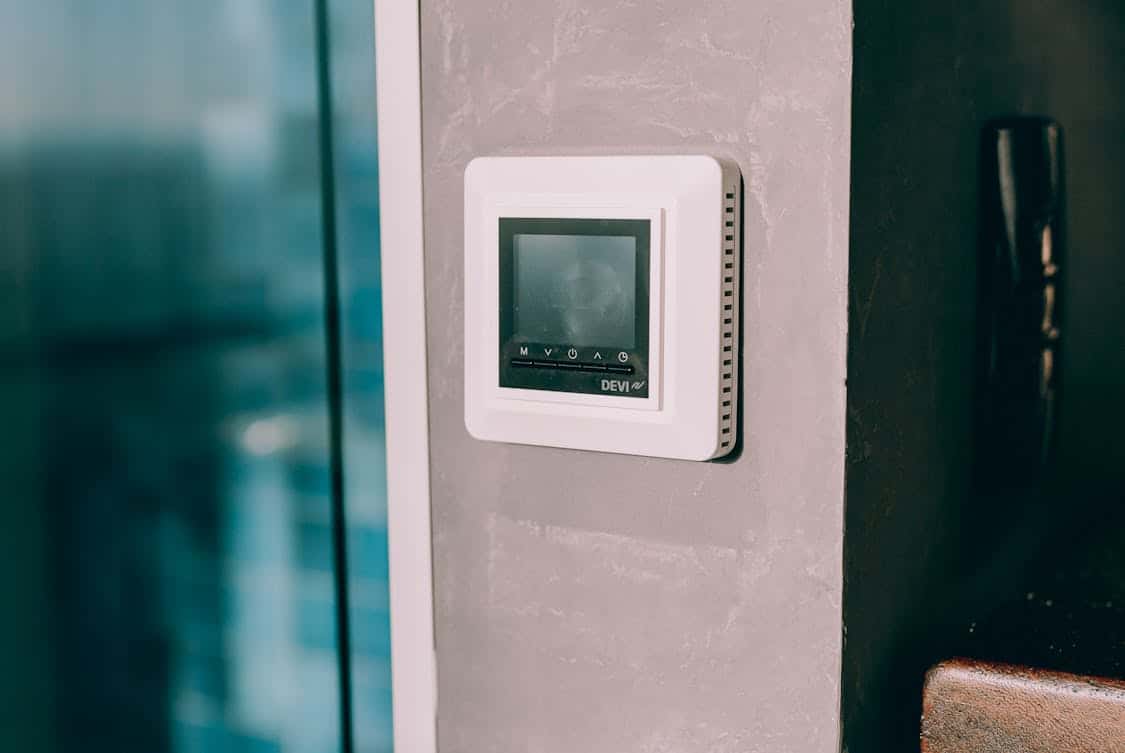
Noise levels differ across models; manufacturers list decibel figures, but real-world sound depends on placement and mounting. If bedrooms or home offices are on the line, choose units that offer low-speed quiet modes and soft-start compressors to keep the peace.
Modern controls range from simple dials to Wi‑Fi thermostats that let you schedule cooling, view energy use, and shift setpoints remotely. Balance features with daily habits: a smart schedule can trim run time, while too many bells and whistles add cost without real payoff.
Budget For Purchase Price And Ongoing Costs
The cheapest unit up front is rarely the cheapest over its life, since efficiency, repair frequency, and electricity rates drive total cost. Think in terms of lifecycle: purchase, installation, annual maintenance, and expected energy spend; add a buffer for repairs after a few years.
Warranties and included service plans shift risk—longer coverage often saves money when compressors or heat exchangers fail. Small spending shifts now, like upgrading insulation or shading windows, can shrink the size and cost of the AC you need.
Plan For Maintenance And Local Service
Regular maintenance keeps units running close to rated efficiency and extends lifespan; filters, coils, and drain lines need periodic attention. Some homeowners do basic chores themselves: filter swaps, clearing debris around an outdoor unit, and checking condensate lines for blockages.
If you want dependable performance year-round, it’s worth scheduling professional home and office aircond care to keep your system clean and efficient.
For jobs that touch refrigerant or electrical systems, hire licensed pros who offer clear pricing and parts guarantees; that choice prevents messy surprises. Ask neighbors or local reviews for repeatable service names so follow-up repairs don’t turn into a wild goose chase.